The acoustic performance of a venue is a critical factor that shapes the audience's experience, whether it's a concert hall, theater, conference room, or worship space. Among the various acoustic parameters, reverberation time (RT) stands out as one of the most significant metrics. Reverberation time, defined as the duration it takes for sound to decay by 60 decibels after the source stops, influences clarity, warmth, and overall sonic character. Establishing standardized reverberation times for different types of venues ensures optimal auditory conditions tailored to their specific purposes.
The Science Behind Reverberation Time
Reverberation time is not a one-size-fits-all measurement. It varies depending on the size of the space, the materials used in construction, and the intended use of the venue. For instance, a large cathedral with stone walls and high ceilings will naturally have a longer reverberation time compared to a small, carpeted conference room. The physics behind this phenomenon involves sound waves reflecting off surfaces, with some materials absorbing sound energy while others reflect it. Architects and acoustic engineers must strike a delicate balance to achieve the desired RT, as excessive reverberation can muddy speech intelligibility, while too little can make music sound flat and lifeless.
Concert Halls and Performance Spaces
In concert halls, where symphonic music takes center stage, a longer reverberation time—typically between 1.5 to 2.5 seconds—is preferred. This extended decay allows musical notes to blend harmoniously, creating a rich and immersive auditory experience. However, opera houses often require slightly shorter RT values (around 1.2 to 1.6 seconds) to ensure that vocal clarity is not sacrificed for musical warmth. The design of these spaces often incorporates adjustable acoustic elements, such as retractable curtains or movable panels, to fine-tune the reverberation time based on the performance type.
The Challenge of Multipurpose Venues
Modern venues frequently serve multiple functions, hosting everything from orchestral performances to lectures and electronic music concerts. This versatility demands adaptable acoustics. Variable reverberation systems, such as electronically assisted resonance or modular wall panels, have become increasingly popular. These technologies allow venues to shift their RT dynamically, catering to diverse events without compromising acoustic quality. However, achieving this flexibility while maintaining natural sound propagation remains a complex engineering feat.
Speech-Oriented Spaces: Theatres and Lecture Halls
Spaces designed primarily for spoken word, such as theaters and lecture halls, prioritize clarity over reverberation. An ideal RT for such environments ranges from 0.6 to 1.1 seconds. Excessive reverberation in these settings can cause syllables to overlap, making comprehension difficult. To achieve this shorter decay time, acoustic treatments like absorbent wall panels, upholstered seating, and carpeted floors are commonly employed. The goal is to minimize reflections without creating an acoustically "dead" space that feels unnaturally silent.
Worship Spaces: A Unique Acoustic Balancing Act
Places of worship present a unique acoustic challenge, as they often need to accommodate both speech and music. Traditional churches and cathedrals, with their soaring vaulted ceilings, are renowned for their long reverberation times—sometimes exceeding 4 seconds. While this creates a majestic ambiance for choral music, it can render sermons unintelligible. Modern worship spaces often adopt a compromise, targeting an RT of 1.5 to 2 seconds, supplemented by sound reinforcement systems for spoken word clarity.
Recording Studios and Broadcast Environments
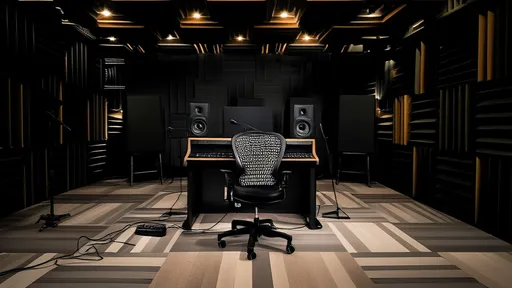
Unlike live venues, recording studios and broadcast rooms aim for minimal natural reverberation, typically below 0.5 seconds. This "dry" acoustic environment allows engineers to add artificial reverb during post-production with precision. The walls of these spaces are lined with thick absorption materials, and floating floors are employed to isolate external noise. Any unwanted reverberation in these settings can muddy recordings and complicate the mixing process.
International Standards and Measurement Protocols
Several organizations, including the International Organization for Standardization (ISO) and the Acoustical Society of America (ASA), have established guidelines for measuring and categorizing reverberation times. The ISO 3382 standard, for instance, specifies methods for measuring RT in performance spaces, while ASA standards provide recommendations for various venue types. These standards ensure consistency in acoustic evaluations and help architects design spaces that meet universal quality benchmarks.
The Future of Acoustic Design
As architectural trends evolve and new materials emerge, the field of acoustic engineering continues to advance. Computer modeling now allows designers to predict reverberation characteristics with remarkable accuracy before construction begins. Meanwhile, smart materials that can alter their sound absorption properties in real time are on the horizon. These innovations promise to give venue operators unprecedented control over their acoustic environments, potentially redefining reverberation time standards in the years to come.
The pursuit of perfect acoustics remains both an art and a science. While standards provide essential guidelines, the subjective nature of sound perception means that the ultimate test is human experience. Whether it's the awe-inspiring resonance of a cathedral or the crisp clarity of a lecture hall, reverberation time standards serve as the invisible framework that shapes our auditory world.

By /Aug 15, 2025

By /Aug 15, 2025

By /Aug 15, 2025

By /Aug 15, 2025
By /Aug 15, 2025

By /Aug 15, 2025
By /Aug 15, 2025

By /Aug 15, 2025
By /Aug 15, 2025
By /Aug 15, 2025
By /Aug 15, 2025

By /Aug 15, 2025

By /Aug 15, 2025
By /Aug 15, 2025

By /Aug 15, 2025

By /Aug 15, 2025

By /Aug 15, 2025

By /Aug 15, 2025

By /Aug 15, 2025

By /Aug 15, 2025
