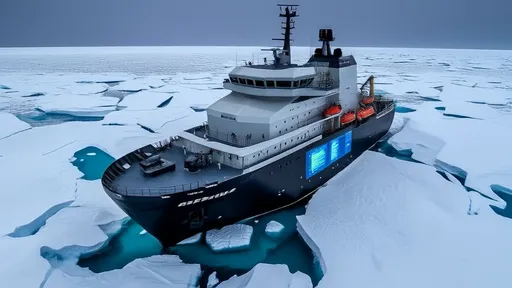
The once-impenetrable Arctic is cracking open. As climate change accelerates ice melt at an unprecedented rate, a new frontier of global shipping is emerging – and artificial intelligence has become its unlikely cartographer. What was once the exclusive domain of icebreakers and polar expeditions is now being transformed into a viable commercial route, thanks to AI-driven ice prediction systems that are redefining the art of polar navigation.
A Frozen Chessboard
The Northern Sea Route and Northwest Passage present a tantalizing proposition for global shipping: journeys up to 40% shorter than traditional routes through the Suez or Panama Canals. But the Arctic remains Earth's most unpredictable chessboard, where ice conditions can change in hours and wrong moves carry catastrophic consequences. Traditional ice charts, often days old by the time ships receive them, might as well be ancient maps in this rapidly changing environment.
Enter the new generation of AI systems that process real-time satellite imagery, historical ice data, ocean currents, and atmospheric conditions to predict ice movements with startling accuracy. These digital oracles don't just react to current conditions – they anticipate where leads will open, where pressure ridges will form, and how ice floes will dance across the polar seascape in the coming days.
The Silicon Ice Pilot
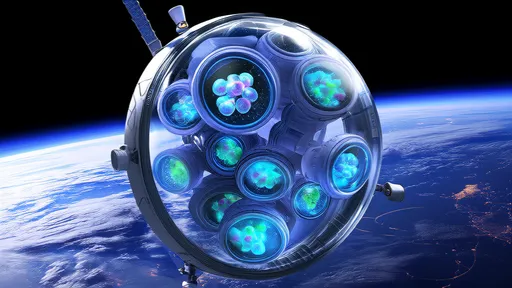
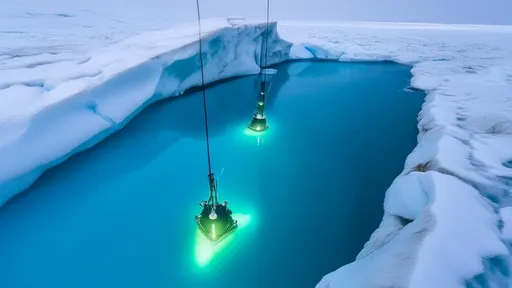
At the heart of this revolution are machine learning models trained on decades of polar observation data. Some systems can now predict ice conditions up to two weeks in advance with 90% accuracy, a capability that would have seemed like science fiction a decade ago. The most advanced platforms combine multiple data streams – from synthetic aperture radar satellites to underwater drones measuring sea temperature – creating a living, breathing digital twin of the Arctic's frozen skin.
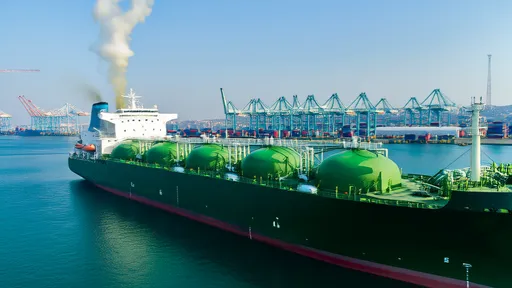
Shipping companies using these systems report dramatic improvements in route optimization. One container ship navigating the Northern Sea Route last August saved eleven days of travel time by following AI-generated course adjustments that kept it just ahead of closing ice. The system's algorithms identified a narrow corridor of navigable water that human analysts had dismissed as too risky, demonstrating how machine perception can spot patterns invisible to even experienced ice pilots.
Breaking the Ice Ceiling
The implications extend far beyond commercial shipping. Indigenous communities are partnering with tech firms to adapt these systems for traditional ice travel, potentially saving lives in regions where sudden ice shifts have long been deadly hazards. Climate scientists, too, are finding unexpected value in the technology, using shipping companies' AI models to validate and refine their own climate projections.
Yet challenges remain. The Arctic's increasing accessibility is raising geopolitical tensions as nations jockey for control over newly navigable waters. Some environmentalists warn that AI-assisted navigation could accelerate Arctic exploitation before proper safeguards are in place. And the technology itself faces limitations – current systems struggle with the "black ice" problem, where newly formed thin ice escapes satellite detection but poses serious risks to vessels.
The New Polar Code
As the ice retreats and AI advances, we're witnessing the birth of an entirely new discipline: autonomous polar navigation. The next generation of systems now in development promise fully dynamic routing that adjusts course in real-time based on continuous data feeds. Some experimental platforms even incorporate whale migration patterns and other ecological data to minimize environmental impact.
What began as a tool for avoiding hazards is evolving into something far more profound – a digital nervous system for the rapidly changing Arctic, helping humanity navigate not just through the ice, but through the complex ethical and environmental questions that come with this new frontier. The polar regions may be the last places on Earth to be mapped, but they're the first where artificial intelligence is fundamentally rewriting the rules of exploration.
The silent revolution in polar navigation continues beneath the radar of most observers. But as shipping volumes through Arctic waters grow exponentially year after year, the invisible hand of AI ice prediction is quietly enabling what would otherwise be impossible – safe, efficient navigation across the roof of our warming world.

By /Aug 14, 2025

By /Aug 14, 2025
By /Aug 14, 2025

By /Aug 14, 2025
By /Aug 14, 2025
By /Aug 14, 2025

By /Aug 14, 2025

By /Aug 14, 2025
By /Aug 14, 2025

By /Aug 14, 2025

By /Aug 14, 2025

By /Aug 14, 2025

By /Aug 14, 2025

By /Aug 14, 2025

By /Aug 14, 2025

By /Aug 14, 2025

By /Aug 14, 2025

By /Aug 14, 2025

By /Aug 14, 2025

By /Aug 14, 2025
